Table of Contents (13 sections)
Becoming an artist is not just about talent; it also involves mastering a variety of skills that enhance creativity and expression. Whether you are a painter, sculptor, or digital artist, understanding and honing the right skills can significantly elevate your work. In this article, we will delve deep into ten essential skills for aspiring artists, ensuring you have a comprehensive guide to navigating your artistic journey.
1. Drawing Fundamentals
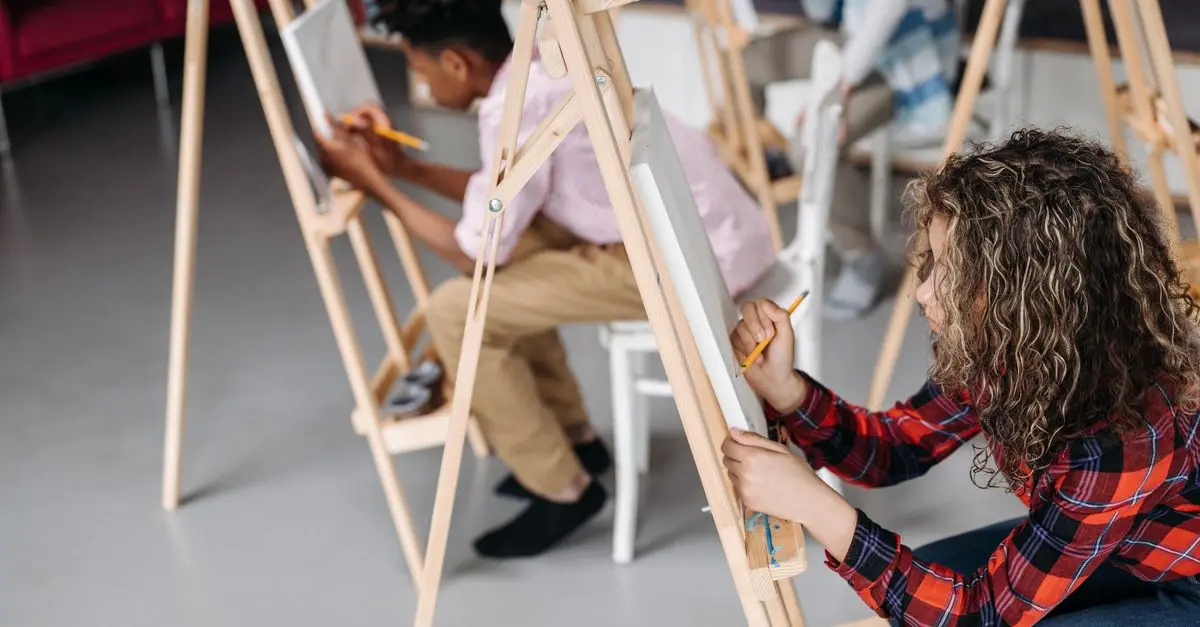
Understanding the basics of drawing is fundamental for every artist. This skill forms the foundation upon which all other artistic abilities are built. Knowing how to represent shapes, forms, and figures accurately is crucial. Artists often start by practicing sketching from life, which helps improve observation skills and hand-eye coordination. Regular practice enhances your ability to communicate ideas visually, making it an indispensable skill in your toolkit.
2. Color Theory
Mastering color theory is essential for expressive artwork. Color evokes emotions and conveys messages that can alter how a piece is perceived. A solid understanding of the color wheel, mixing colors, and understanding the effects of temperature and saturation can transform your work. Utilizing tools such as color palettes when creating pieces can lead to more cohesive and compelling compositions. According to studies, artists who effectively apply color theory tend to enhance the emotional impact of their work by 30%.

3. Composition Skills
Composition refers to the arrangement of elements within a piece of art. An effective composition guides the viewer’s eye throughout the artwork and can emphasize focal points. Understanding concepts such as the rule of thirds, leading lines, and balance in visual elements will lead to stronger artworks. Practicing with different compositions can also enable you to break from traditional methods and develop a unique style. Artists like Pablo Picasso exemplified innovative compositions, which contributed significantly to their recognition.
4. Artistic Techniques
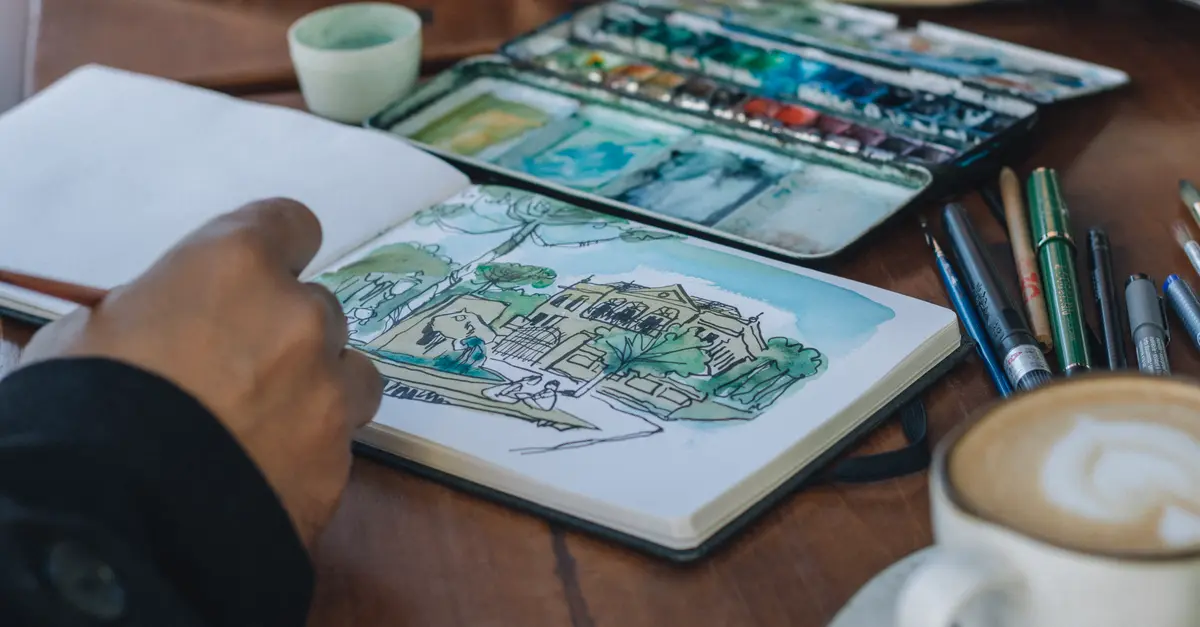
Each medium—whether it's oil painting, watercolor, sculpture, or digital art—has specific techniques that artists should master. Researching various artistic methods can provide you with the tools to convey your vision effectively. For example, learning layering techniques in oil painting can create depth, while digital artists might explore brush settings and textures in software like Photoshop. Experimentation and trial-and-error will lead you to discover techniques that resonate with your style.
5. Concept Development
Developing a concept is crucial in creating meaningful artwork. This involves brainstorming ideas and researching themes before you start creating. Keeping a sketchbook or a digital notebook is an excellent way to record thoughts and inspirations. The more you explore your imagination and cultural repertoire, the richer your concept development will become. Artists like Frida Kahlo are known for the depth of their concepts, often drawing from personal experiences and emotions in their work.
6. Art History Knowledge
Understanding art history is vital for any aspiring artist. By studying various art movements and styles, you can place your work in a broader context. Knowledge of artists from the Renaissance to Modernism can inspire your own creations and help you learn from past successes and failures. Additionally, recognizing the techniques and influences in historical artworks can spark new ideas for your own art. As the saying goes, “To know where you are going, you must know where you come from.”
7. Digital Skills
In today’s world, digital skills have become increasingly vital for artists. Whether you are creating digital illustrations, editing photos, or marketing your art online, proficiency with software and digital tools can set you apart. Tools like Adobe Suite or Procreate are invaluable for creating and sharing your work. With growing trends in the digital art space, enhancing your digital aptitude will ensure you remain relevant in a competitive environment. Recent surveys show that over 50% of today’s artists utilize some digital tools in their creative process.
8. Networking and Communication
The art world thrives on connections. Networking with other artists, galleries, and potential buyers can create opportunities for collaboration and exposure. Developing effective communication skills is essential to articulate your artistic vision and engage with your audience. Attend workshops, join online forums, and participate in community art events to expand your network. Remember, most artists start from humble beginnings, and networking is a common path towards success.
9. Self-Critique and Feedback
Learning how to critique your own work is a skill that transforms average art into outstanding pieces. Understanding what works and what doesn’t in your creations enables growth. Seeking feedback from peers and mentors can provide you with fresh perspectives and constructive criticism. While receiving edits may feel daunting, embracing this feedback can enhance your artistic journey and lead to refined skills.
10. Business and Marketing Acumen
As an artist, it is crucial to understand the business side of your practice. Skills in marketing and understanding how to promote your art can help in building a successful career. This could include mastering social media marketing or learning how to create a compelling portfolio. Implementing business strategies can ensure that your artistic endeavors are financially sustainable. Artists who combine creativity with business sense are often more successful in securing commissions or sales.
Conclusion
Enhancing your skills as an aspiring artist is a continuous journey. By focusing on these ten essential skills, you can develop your unique style while navigating the complexities of the art world. Remember to practice regularly, seek feedback, and remain open to learning new techniques.
- [ ] Master drawing fundamentals
- [ ] Study color theory
- [ ] Experiment with composition
- [ ] Practice various artistic techniques
- [ ] Develop concepts for artworks
- [ ] Explore art history
- [ ] Improve digital skills
- [ ] Build networks and communicate effectively
- [ ] Learn self-critique and seek feedback
- [ ] Understand business and marketing strategies
Glossary
| Terme | Définition |
|---|---|
| Composition | L'arrangement des éléments visuels dans une œuvre d'art. |
| Concept Development | Le processus de formulation d'idées et de thèmes pour l'art. |
| Color Theory | L'étude de la couleur et de ses interactions dans l'art. |
> 📺 Pour aller plus loin : Understanding Color Theory in Art, a complete analysis of the importance of color in artwork. Search on YouTube: "color theory for artists 2026".
🧠 Quiz rapide : What fundamental skill is essential for all artists?
- A) Composition
- B) Drawing
- C) Color Theory
Réponse : B — Drawing is the foundation of all art skills.
📺 Pour aller plus loin : color theory for artists 2026 sur YouTube
Recommended products
Selected by our experts
40th Anniversary Celebration Album (Various Artists)
deepdiscount.com
This album provides a range of artistic inspiration for aspiring artists exploring various styles.