Table of Contents (15 sections)
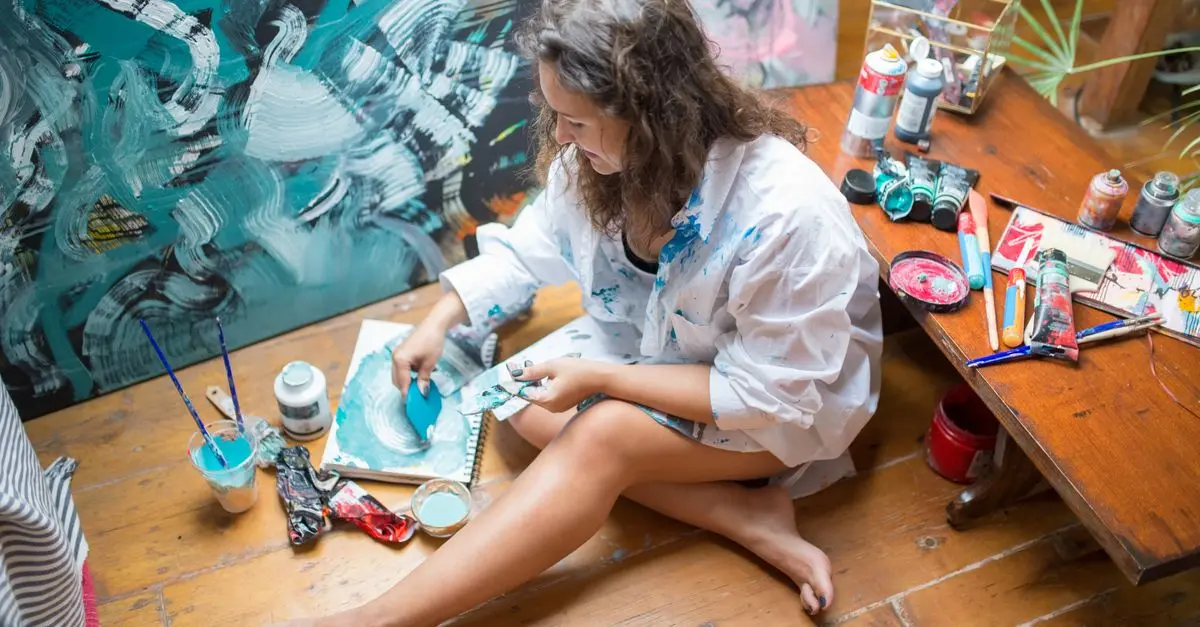
Becoming an artist is a journey that requires creativity, dedication, and a diverse skill set. In today's dynamic art landscape, aspiring artists need to develop essential skills that go beyond just honing their craft. This article explores ten critical skills every budding artist should cultivate to enhance their artistic journey and achieve success in the art world.
1. Artistic Technique
Every aspiring artist must develop their artistic technique, whether it’s painting, drawing, sculpting, or digital art. Mastering your chosen medium is fundamental; it allows you to express your ideas accurately. According to a survey by Art Basel, artists who regularly practice and refine their techniques report a 40% increase in confidence regarding their work. Dedicate time each week to practicing different techniques, experimenting with various styles, and seeking feedback from peers. Online platforms like Skillshare offer great resources to learn new techniques from experienced artists.
2. Creativity and Originality
Creativity is at the heart of artistic expression. It’s essential for artists to develop a unique voice and perspective. This doesn’t mean you have to reinvent the wheel; rather, it’s about finding your personal touch within established frameworks. Engaging in brainstorming sessions or creative exercises can help stimulate your thinking. Activities such as keeping a daily sketchbook or attending creative workshops can also nurture this skill, allowing you to explore new ideas and approaches.
Uplift Essentials Rotatable Adjustable Tablet Stand For IPad And Tablets black 1
inspireuplift.com
Uplift Essentials Tripod Floor Tablet Stand Adjustable Heavy Duty Tablet Support Tripod Floor Tablet Stand Adjustable Heavy Duty Tablet Support
inspireuplift.com
3. Research Skills
Understanding the context of your art can significantly enhance the depth of your work. Research skills are vital for exploring art history, influences, and contemporary trends. A strong grasp of these elements not only informs your work but also helps you create pieces that resonate with your audience. Use online resources like Google Scholar or local libraries to explore artistic movements and influential artists. Being well-informed allows you to reference styles or methods effectively in your work, drawing connections that enrich your artistic vision.
4. Digital Literacy
In 2026, digital skills have become imperative for artists. Mastering digital tools for design and promotion is essential. Whether it’s through graphic design software or social media platforms, being digitally literate helps artists present their work professionally. Programs like Adobe Creative Suite are industry standards, and investing time in online tutorials can make a significant difference. Additionally, managing your online presence through platforms like Instagram or portfolio sites enhances visibility and can lead to networking opportunities.
5. Networking Abilities
Building relationships within the art community can open doors for collaborations, exhibitions, and sales. Networking isn’t just about promoting your work; it’s about fostering genuine connections with other artists, curators, and art enthusiasts. Attend local art shows, join community art groups, or participate in online forums. According to The Art Market Report, 60% of successful artists attribute their opportunities to networking. Building a professional network lays a foundation for support and growth.
6. Communication Skills
Effective communication is essential for artists to explain their concepts and ideas. Whether through artist statements, social media interactions, or during exhibitions, being able to articulate your vision is crucial. Take the time to practice your speaking and writing skills, perhaps by sharing your thoughts on your art through blogs or live demonstrations. Your ability to narrate your artistic journey can deeply engage your audience and create a connection that resonates.
Uplift Essentials Rotatable Adjustable Tablet Stand For IPad And Tablets black 2
inspireuplift.com
Uplift Essentials Rotatable Adjustable Tablet Stand For IPad And Tablets silver 1
inspireuplift.com
Uplift Essentials Rotatable Adjustable Tablet Stand For IPad And Tablets silver 2
inspireuplift.com
7. Time Management
For many artists, especially those balancing art with other responsibilities, time management becomes a critical skill. Learning to allocate time wisely for art creation, marketing, and professional development ensures that you remain productive. Techniques such as the Pomodoro technique or setting clear weekly goals can help maintain focus and efficiency. Having a structured timetable allows you to prioritize tasks effectively, maximizing your creative potential.
8. Financial Literacy
While many artists focus on their artistic skills, understanding the basics of finance is equally important. From pricing your work to managing expenses, financial literacy can greatly impact your art business. Familiarize yourself with concepts like budgeting, tax obligations, and pricing strategies through online courses or workshops. The National Endowment for the Arts suggests that artists who manage their finances effectively are more likely to sustain their careers long-term.
9. Adaptability and Resilience
The ability to adapt to changing circumstances is crucial in an ever-evolving industry. From fluctuating public tastes to shifts in the marketplace, artists must be resilient in facing challenges. Embracing feedback, learning from critiques, and continually evolving are essential practices. Engaging with mentors can provide valuable guidance during tough times, helping you navigate through adversity and maintain your artistic growth.
10. Self-Promotion
In the modern art landscape, knowing how to promote yourself is just as important as creating art. Building a personal brand through social media, maintaining a website, and showcasing art in galleries is vital. Use content marketing strategies to attract and engage potential buyers or collaborators. Your ability to effectively promote your work not only increases visibility but also creates opportunities for sales and exhibitions.
Checklist for Aspiring Artists
- [ ] Develop and refine artistic techniques
- [ ] Cultivate creativity and originality
- [ ] Enhance research skills for deeper context
- [ ] Master digital tools and online presence
- [ ] Build a professional network
- [ ] Improve communication skills for engagement
- [ ] Practice effective time management
- [ ] Learn financial basics for art business
- [ ] Remain adaptable and resilient to challenges
- [ ] Develop self-promotion strategies
Glossary
| Term | Definition |
|---|---|
| Artistic Technique | The skill set related to the methods and processes used in creating art. |
| Digital Literacy | The ability to effectively use digital tools and platforms for creating and promoting art. |
| Networking | Building relationships and connections within the art community for professional opportunities. |
📺 Resource Video
> 📺 For further insights: Explore “Essential Skills for Emerging Artists,” providing advice on techniques, networking, and self-promotion. Search on YouTube for: essential skills for aspiring artists 2026.
Conclusion
By investing time and effort into developing these ten essential skills for aspiring artists, you set the foundation for a successful and fulfilling artistic career. Remember, growth often comes from continuous learning and practice. So embrace the journey!
📺 Pour aller plus loin : essential skills for aspiring artists 2026 sur YouTube
Recommended products
Selected by our experts
beautyblender Beautyblender Bounce Haus Essential Trio Gift Set, - None - Size: 0.31 Oz
kohls.com
Uplift Essentials Silicone T Shaped Eye Patch For Facial Skincare Silicone T Shaped Eye Patch For Facial Skincare
inspireuplift.com


ilyeco 30Pcs Vitamin Leave In Hair Care Essential Oil, Hair Care Capsules Keratin Essence, Protein Smooth Hair Essential Oil keratin
inspireuplift.com