Table of Contents (16 sections)
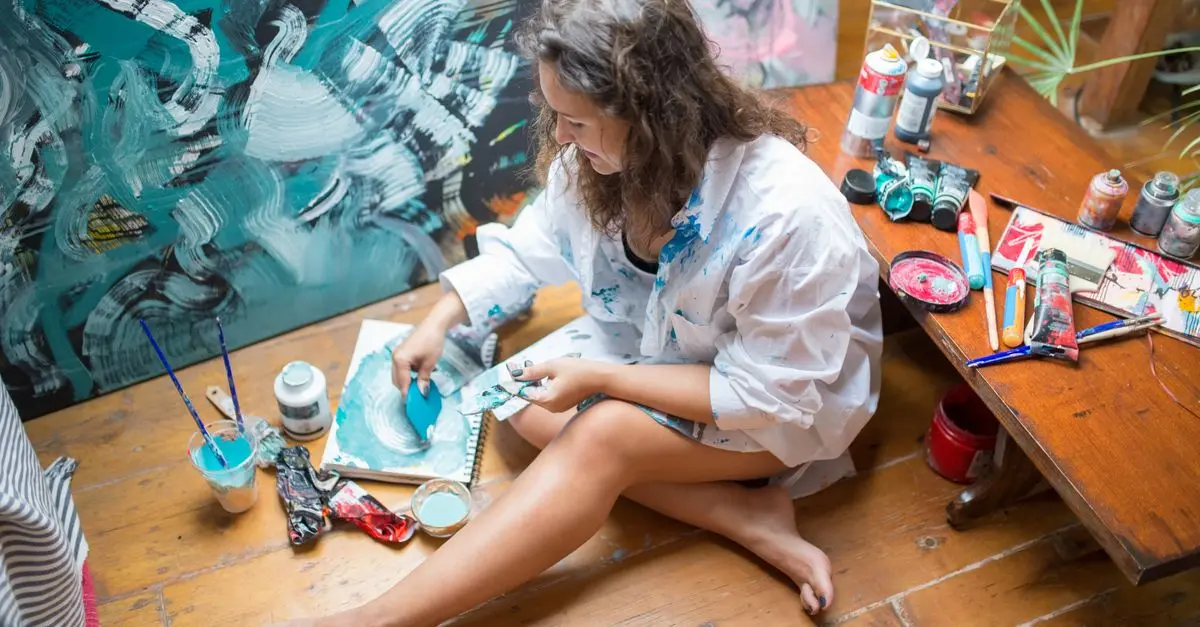
Aspiring artists often find themselves overwhelmed by the vast array of tools and information available. Whether you’re just starting out or refining your skills, having the right resources can make all the difference in your artistic journey. In this list, we’ve curated ten essential resources that cater to a variety of artistic needs, ensuring that you can evolve into the artist you aspire to be.
1. Online Learning Platforms
Online learning platforms have revolutionized how artists can access courses in various mediums, including painting, digital art, and photography. Websites like Skillshare and Udemy offer a plethora of classes, often led by industry professionals. These platforms not only provide flexible learning options but also allow artists to explore different styles and techniques at their own pace. For example, a beginner can start with the basics of acrylic painting while more advanced students may dive into digital illustration or concept art. This accessibility enables artists to learn from the comfort of their homes and enhance their skills progressively.
2. Social Media Communities
Social media has become a powerful tool for artists to share their work, seek feedback, and connect with fellow creatives. Platforms like Instagram and Pinterest are particularly conducive for visual artists. By following hashtags or joining specific artist communities, you can discover trends, tutorials, and much-needed motivation. Participating in these communities often leads to valuable networking opportunities and potential collaborations. Remember, social media is not just about showcasing your work; it's about engagement and learning from others, too.

https://turaco.es/marketplaces/resources/eficiencia_energetica/01646.pdf
Darty FR
Sponsored by Awin Bruno

https://turaco.es/marketplaces/resources/eficiencia_energetica/05740.pdf
Darty FR
Sponsored by Awin Bruno

3. Creative Blogs and Websites
There are countless blogs dedicated to the world of art that offer tips, inspiration, and insights from successful artists. Websites like Bored Panda and ArtStation showcase artists' work and provide narrative contexts, making them perfect for inspiration. Moreover, they often feature interviews with artists, providing insights into their creative processes, challenges they’ve faced, and their artistic journeys. By following these blogs, aspiring artists can gain a deeper understanding of the art world and learn from the experiences of others in the field.
4. Art Supplies Stores
Access to quality art supplies is crucial for any artist. While local stores provide options, online retailers such as Darty offer a vast range of materials. Whether you're looking for paints, brushes, canvases, or digital tools, finding reliable suppliers can significantly impact your work. Investing in the right tools is essential, as quality materials can elevate your art and allow for experimentation without frustration. Additionally, some stores provide tutorials and guides on how to use their products effectively.
5. Workshops and Retreats
Engaging in hands-on workshops and retreats can be a transformative experience for artists. These immersive environments foster creativity through direct feedback from experienced artists and peers. Workshops often focus on specific techniques or mediums, enabling participants to refine their skills. Retreats, on the other hand, provide a unique opportunity for artists to disconnect from their daily routines and concentrate solely on their art in a supportive environment. Such experiences can reignite passion and inspire new projects, as well as create lasting friendships within the artistic community.
6. Art Challenges
Participating in art challenges, like Inktober or the 30-day drawing challenge, can push artists out of their comfort zones, encouraging them to create regularly. These challenges often have a set theme or prompt, which can challenge your creativity and technique. Sharing your progress on social media not only holds you accountable but also allows you to engage with a community of like-minded artists who are also working towards their goals. This sense of community can be tremendously uplifting.
7. Art History Resources
Understanding the history and evolution of art can significantly enrich your creative journey. Resources such as online art history courses or documentaries not only provide context for artistic movements but also inspire new ideas. Recognizing what has been done can inform and elevate your own work. Websites like Khan Academy offer free courses on art history, allowing you to explore various movements and styles at your own pace, enhancing both appreciation and knowledge.
8. Critique Platforms
Receiving constructive criticism is vital for growth as an artist. Platforms such as DeviantArt or ArtStation allow users to share their work and connect with other artists who can provide feedback. Being open to critique can be challenging, but it's a significant part of the artistic development process. Surrounding yourself with a community that values honesty and growth creates an environment conducive to improvement. Furthermore, engaging with critiques helps you develop a thicker skin, essential for any artist in the industry.
9. Books on Art Techniques
Books remain a timeless resource for learning techniques and understanding artistic principles. Titles by renowned artists like Bert Dodson or Betty Edwards provide invaluable insight into everything from basic techniques to advanced concepts. They often include illustrations and step-by-step guides that cater to visual learners. Additionally, art books can inspire new approaches and methodologies that can be incorporated into your own practice, leading to a broader understanding of the art form.
10. Local Art Organizations
Connecting with local art organizations can open doors to new opportunities such as exhibitions, grants, and community events. Many of these organizations host regular meetings, workshops, and competitions that can enhance your visibility as an artist. Networking within your local art community can lead to collaborations and the chance to showcase your work to a broader audience. Moreover, local organizations often involve community outreach, allowing you to give back while promoting your art.
📺 Resource Video
> Discover the essential tools and tips for aspiring artists! Search on YouTube: "art resources for beginners 2026" for insightful tutorials and expert advice.
Checklist Before You Start Your Artistic Journey
- [ ] Identify your preferred art style.
- [ ] Gather essential art supplies.
- [ ] Join online communities or social media groups.
- [ ] Schedule time for regular practice to build your skills.
- [ ] Participate in art challenges for inspiration.
Glossary
| Term | Definition |
|---|---|
| Art Supplies | Various materials used for creating art, including paints, brushes, and canvases. |
| Art Critique | Constructive feedback aimed at improving an artist's work. |
| Social Media Communities | Online platforms where artists interact, share, and engage with art-related content. |
Conclusion
Becoming an artist is a journey filled with learning, experimenting, and growing. Utilize these resources to enhance your skills and connect with other creatives. The right tools and community can significantly impact your artistic journey, making it worthwhile to explore these options.
Call to Action
Ready to embark on your artistic journey? Explore our recommended products below to find the tools that will enhance your creativity!
📺 Pour aller plus loin : art resources for beginners 2026 sur YouTube
Recommended products
Selected by our experts
https://turaco.es/marketplaces/resources/eficiencia_energetica/01646.pdf
Darty FR
This product offers a versatile addition for artists who enjoy coffee breaks while creating their art.
Sponsored by Awin Bruno
https://turaco.es/marketplaces/resources/eficiencia_energetica/05740.pdf
Darty FR
An efficient cleaning tool, perfect for maintaining a tidy workspace while working on art projects.
Sponsored by Awin Bruno
Learning Resources Magnetic Punctuation
Darty FR
These educational resources are essential for understanding art fundamentals, making them perfect for aspiring artists.
Sponsored by Awin Bruno