Table of Contents (15 sections)
Cultivating artistic skills is a journey that requires dedication and practice. Whether you are a budding artist or looking to refine your existing skills, understanding the essential practices can significantly impact your growth. In this article, we detail 10 fundamental methods every artist should adopt to enhance their artistic skills and creativity.
1. Embrace Daily Practice
To become proficient in your craft, consistent practice is vital. Dedicate a specific time each day, even if it’s just 20 minutes, to create art. This could include sketching, painting, or experimenting with different mediums. Daily practice helps build muscle memory, enhances your artistic style, and allows you to explore new techniques without pressure. A study by The Creative Education Foundation indicates that artists who practice daily improve their skills 30% faster than those who practice irregularly.
2. Study Art History
Understanding the historical context of art movements can influence your work and provide inspiration. Dive into the works of masters like Vincent van Gogh, Frida Kahlo, or Pablo Picasso. Analyze their techniques, themes, and the socio-political context of their times. By incorporating elements from various art movements, you can develop a unique style rooted in a rich history. Additionally, attending exhibitions or watching documentaries adds depth to your knowledge.
3. Experiment with Different Mediums
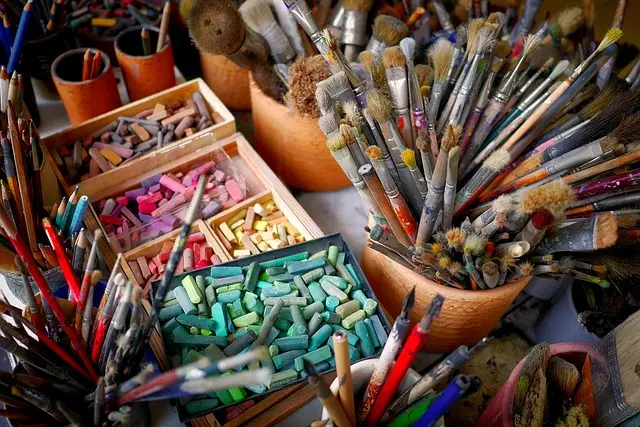
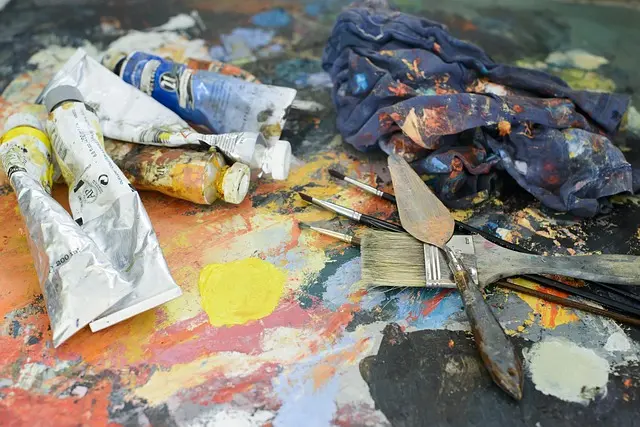
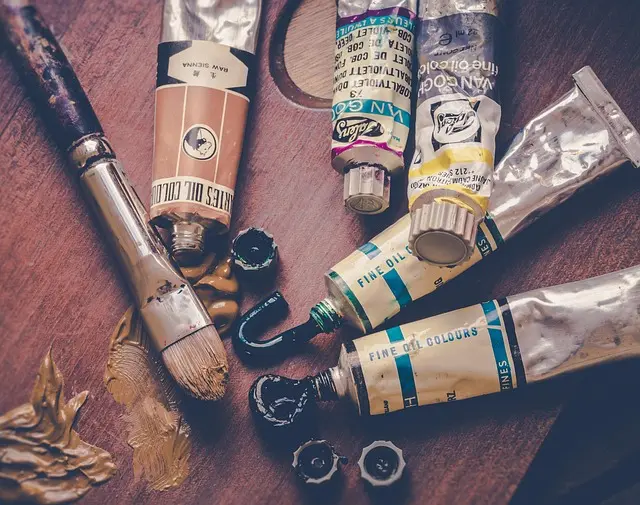
Variety is the spice of creativity. Trying different materials—such as charcoal, watercolor, acrylics, or digital tools—opens new avenues for expression. Each medium offers unique challenges and strengths. For instance, while watercolors can create soft, flowing images, acrylics can deliver vibrant, textured results. Engaging with various mediums can reveal hidden talents and preferences, significantly enhancing your artistic repertoire.
4. Seek Feedback
Constructive criticism is an invaluable tool for growth. Share your work with peers, mentors, or online art communities to gain insights and differing perspectives. Tools like social media platforms can help connect you with a vast audience willing to provide valuable feedback. Remember to remain open to suggestions and be willing to adapt your techniques. A renowned artist once said, “Art is never finished, only abandoned”—a reminder that there is always room for improvement.
5. Create a Personal Portfolio
Documenting your artistic journey not only tracks progress but also prepares you for professional opportunities. Your portfolio should showcase your best work and reflect your unique style and creativity. Keeping it updated ensures you are ready for art shows, applications, or freelance opportunities. Consider adding a diversity of pieces that highlight your skills in various mediums and subjects to attract a broader audience.
6. Set Clear Goals
To effectively cultivate your artistic skills, establish specific, measurable goals. For instance, aim to complete a series of paintings within a set timeframe or master a new technique. These objectives provide direction and motivation. Utilize SMART criteria (Specific, Measurable, Achievable, Relevant, Time-bound) to ensure your goals drive your creativity rather than overwhelm you. Keeping track of your progress can also boost your confidence.
7. Join an Art Community
Whether local or online, joining a community of artists fosters a supportive environment that encourages growth. Engage in workshops, exhibitions, and critique sessions where your work can be independently assessed. Communities offer networking opportunities, collaboration chances, and a sense of belonging that ignites motivation. Besides, according to a survey by ArtTactic, artists who participate in community events report higher levels of creativity and satisfaction.
8. Incorporate Mindfulness into Your Practice
Mindfulness can enhance creativity and alleviate stress, making it easier to produce authentic work. Before you start creating, take a few moments to clear your mind. This practice helps you focus on the materials and techniques, reducing anxiety about the final product. Consider simple breathing exercises or meditative art practices to cultivate a deeper connection to your creative process.
9. Observe the World Around You
Artists are keen observers. Learn to notice the beauty and complexity in your environment. Whether it’s the play of light across a landscape, the emotions in a stranger's face, or the textures of everyday objects, everything can inspire your work. Compile a visual diary or a sketchbook where you capture these observations. This habit nurtures your creativity and can lead to fresh ideas and concepts.
10. Educate Yourself Continuously
Art is ever-evolving. Keep your knowledge broadened by taking courses, attending workshops, or watching tutorials. Platforms such as Skillshare or YouTube offer a wealth of resources accessible to artists of all levels. Additionally, reading books on technique or art theory can deepen your understanding and enhance your approach. Lifelong learning keeps your artistic inspiration flowing and your skills sharp.
📺 For More Inspiration
[YouTube art tutorials: Explore techniques for developing your artistic skills], which can provide additional insights and hands-on experiences. Search on YouTube: "artistic skill development techniques".
Glossary
| Term | Definition |
|---|---|
| Artistic Medium | The materials or tools used by an artist to create a work of art. |
| Constructive Criticism | Feedback aimed at improving artistic work while being supportive. |
| Visual Diary | A collection of sketches, observations, or photos that document artistic inspiration over time. |
Checklist for Cultivating Artistic Skills
- [ ] Practice daily, even if for a short period.
- [ ] Study at least one artist’s work each week.
- [ ] Experiment with a new medium every month.
- [ ] Share your art for feedback regularly.
- [ ] Keep your portfolio current and diverse.
- [ ] Set and review your artistic goals often.
- [ ] Participate in an art community locally or online.
- [ ] Employ mindfulness techniques before creating.
- [ ] Observe and document inspirations in your environment.
- [ ] Commit to continuous learning in your art practice.
Conclusion
Cultivating your artistic skills encompasses a broad range of practices that can lead to tremendous growth and expression. By embracing daily practices, obtaining feedback, and diversifying your techniques, you can accelerate your journey to becoming a proficient artist. Remember, the art world is not just about talent but also persistence, openness to learning, and continuous practice. Start implementing these practices today and witness your artistic evolution!
📺 Pour aller plus loin : artistic skill development techniques sur YouTube