Table of Contents (15 sections)
Developing your artistic skills is a journey that requires practice, patience, and a willingness to explore. Whether you're a beginner or an experienced creator, continuously enhancing your artistic abilities is vital to producing compelling work. In this article, we delve into ten effective techniques aimed at improving your artistic skills and invigorating your creativity.
1. Embrace Daily Sketching
Sketching every day, even if it's just for a short time, can significantly enhance your artistic skills. This technique helps refine your hand-eye coordination, improves your observational abilities, and allows you to experiment freely. Consider keeping a sketchbook handy for those moments of inspiration or boredom. For example, try setting a timer for 10 to 15 minutes and draw whatever comes to mind. This practice nurtures creativity and helps you overcome the fear of making mistakes.
2. Study Art Fundamentals
Understanding the fundamentals of art is crucial for every artist. Spend time learning about color theory, composition, perspective, and anatomy. Resources like online courses or art books provide valuable insights and structured learning paths. Each fundamental contributes to your artwork's depth and can enhance overall quality. For instance, grasping the rule of thirds can help you create more visually appealing compositions.


3. Experiment with Different Mediums
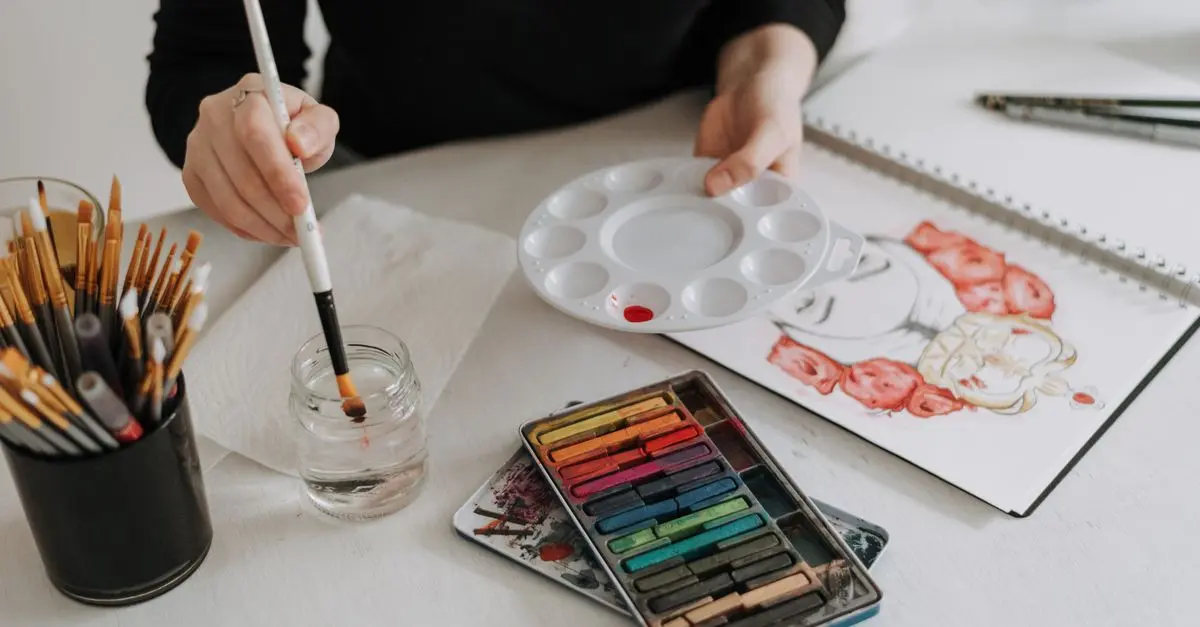
Diving into various artistic mediums can expand your skills tremendously. Whether it’s acrylics, watercolors, digital art, or sculpting, each medium offers unique challenges and benefits. Experimentation encourages flexibility and fosters creativity. You might discover a newfound passion for a medium that resonates with your artistic voice. Dedicate time to explore at least one new medium each month—this can invigorate your creativity and motivate your practice.
4. Engage in Art Challenges
Participating in art challenges often prompts you to step outside your comfort zone. Challenges like Inktober or 30-day drawing prompts inspire consistent practice while honing specific skills. Moreover, the accountability of a challenge can be motivating, as you'll likely share your works with a community of fellow artists. Check out social media platforms where artists share daily progression; this communal aspect can boost both your skills and confidence.
5. Seek Constructive Critique
Receiving feedback from fellow artists or mentors can provide perspective on your work and identify areas for improvement. Utilize platforms like art forums or social media groups dedicated to art critique. When requesting feedback, be specific about what you want—whether it’s composition, color choice, or overall feel. Constructive criticism can ultimately guide you toward refined artistic skills. Remember, the goal is to grow, so keep an open mind.
6. Analyze Works of Master Artists
Studying the works of master artists can inspire and instruct you on various techniques. Try to dissect their approaches to color, line, and composition. Visit museums or galleries, or utilize online archives of significant artworks. Recreating a master’s piece can also be an enlightening exercise, helping you understand their techniques. Make a habit of reflecting on how their styles can influence your approach throughout your artistic journey.

Angara.com Angara 2 MM Enhanced Blue and White Diamond Five Stone Grooved Wedding Ring in 18K White Gold
angara.com

Ring Spotlight Cam Pro (2nd Gen), Retinal 4K, 10x Enhanced Zoom - Black
lenovo.com

Adam and Eve Adam & Eve The All Nighters 5 Piece Silicone Enhancer Set
adamandeve.com
7. Incorporate Art History
Understanding the context of various art movements can enhance your appreciation and application of different techniques. Delve into the motivations behind different styles and artists, from Impressionism to Surrealism. Consider how historical events influenced artistic expression. Such knowledge will enrich your work with layers of meaning and facilitate experimentation with those styles.
8. Mindfulness and Observation
Practicing mindfulness can significantly enhance your observational skills. Spend time in nature or urban environments, immersing yourself in your surroundings. Try to draw what you see using quick sketches, focusing on capturing the essence rather than the details. This practice strengthens your connection to the subject matter and encourages creativity in unexpected ways. Mindfulness promotes patience, a critical trait for artists.
9. Use Reference Images Wisely
While imagination is vital for creativity, reference images help ground your work in reality. Collect a library of images that inspire you or represent elements you wish to incorporate. These can be photographs, other artworks, or even objects in your environment. However, aim to use them not as crutches but as tools to inform and guide your creative process, allowing your original ideas to shine through.
10. Create an Artistic Routine
Establishing a consistent artistic routine helps foster discipline and commitment to your craft. Dedicate specific times to draw or paint, and treat these sessions as appointments you cannot miss. Incorporating breaks and time for experimentation into your routine is vital. Having a structured approach enhances productivity and ensures regular improvement of your artistic skills.
Checklist Before You Start
- [ ] Commit to daily sketching
- [ ] Dedicate time to learn art fundamentals
- [ ] Experiment with a new medium
- [ ] Participate in an art challenge
- [ ] Seek feedback on your work
- [ ] Analyze and learn from master artists
- [ ] Stay informed about art history
- [ ] Practice mindfulness in observation
- [ ] Build a collection of reference images
- [ ] Create a consistent artistic routine
Conclusion
Enhancing your artistic skills requires dedication and a willingness to explore various techniques. By incorporating these strategies into your artistic journey, you can unlock new creative potentials and continuously evolve as an artist. Remember, the key is consistent practice and openness to learning along the way.
💡 Expert Opinion: Regular feedback and learning from others can drastically improve your artistic journey. Based on my experience, involving oneself in an art community significantly boosts skill development and fosters creativity.
Glossary
| Term | Definition |
|---|---|
| Color Theory | A set of guidelines on how colors interact and can be combined harmoniously. |
| Composition | The arrangement of visual elements within a work of art for aesthetic effect. |
| Medium | The materials or technique used by an artist to create a work, such as oils, acrylics, or digital media. |
📺 Resource Video
To explore more practical tips on enhancing your artistic skills, watch this comprehensive video: search for "art techniques for improvement 2026" on YouTube.
📺 Pour aller plus loin : art techniques for improvement 2026 sur YouTube
Recommended products
Selected by our experts


Clé de Peau Beauté The Luminizing Face Enhancer, Shooting Stars (10 g)
cledepeaubeaute.com

Clé de Peau Beauté The Luminizing Face Enhancer, Daybreak Shimmer (10 g)
cledepeaubeaute.com